Our Fabrication Priorities for Capital One Orange Bowl
Fabrication lead-time planning that accounts for December show calendars and venue access windows
Graphics substrate and print integration built into the structural plan from day one
Dismantle engineering so panels, frames, and hanging elements pack efficiently for storage or next-event reuse
Custom Booth Build for Capital One Orange Bowl
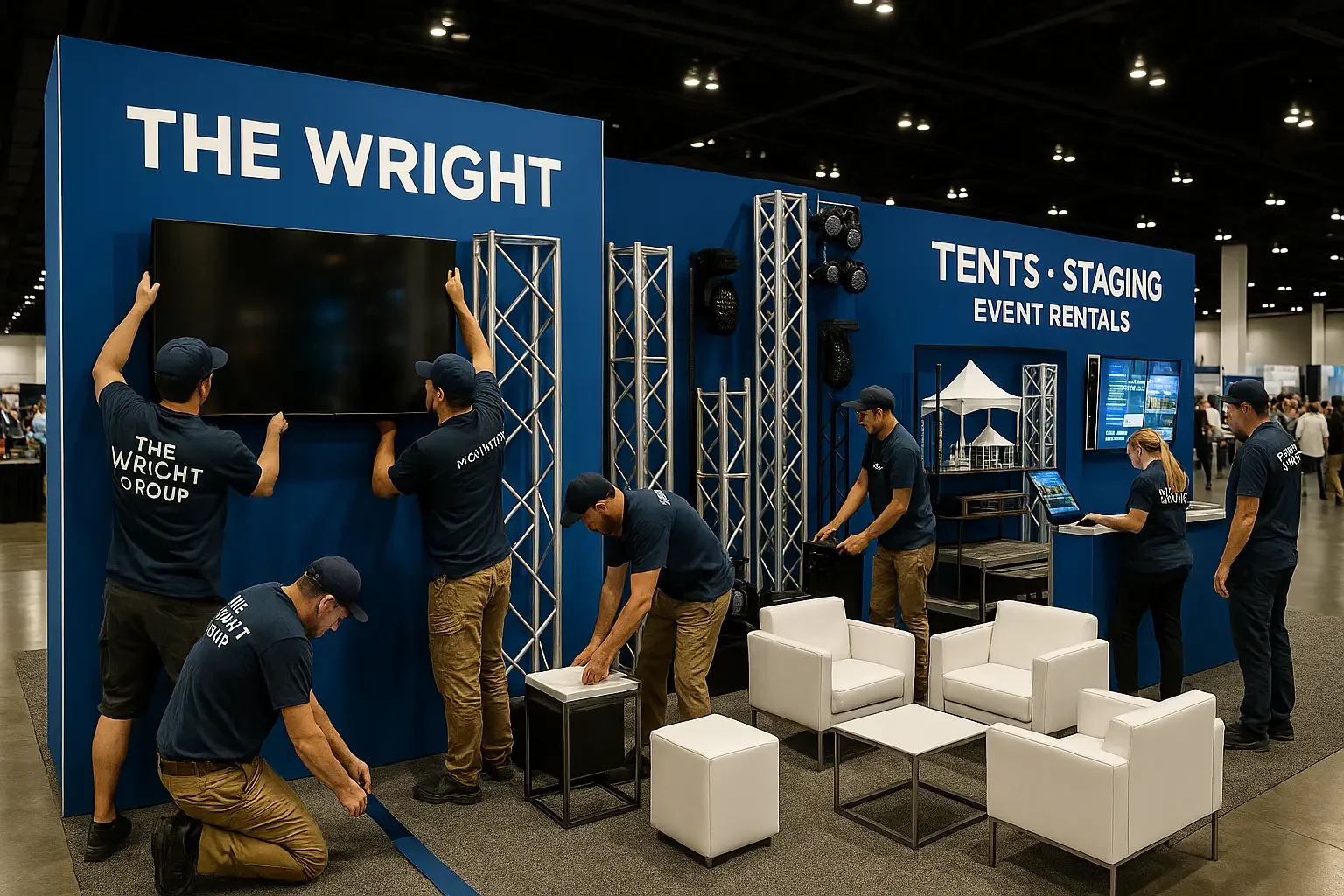
The structural system we choose for Capital One Orange Bowl depends on how the brand needs to command space. Island exhibits at this event benefit from open sightlines that welcome attendees from multiple aisles, while inline formats need a tighter hierarchy — strong header, clear message, and an interior that rewards visitors who step inside. For both formats, we build in Miami using aluminum extrusion, engineered wood substrates, tension fabric frames, and welded steel where load-bearing capacity matters. Every structural joint is tested before the crate leaves our shop.
We also coordinate closely with any sponsor activation requirements specific to Capital One Orange Bowl. Major events in this category often include organizer branding obligations, shared aisle treatments, or hospitality extensions that must integrate cleanly with the custom structure. Building those elements into the original fabrication plan — rather than attaching them as field modifications — is one of the clearest ways to protect the visual standard once the room goes live.
Miami Fabrication Lead Times for Capital One Orange Bowl
For a first-time Capital One Orange Bowl build, we typically recommend starting fabrication conversations at least ten to fourteen weeks before the show opens. That buffer allows for design revisions without sacrificing build time, gives graphics vendors enough lead time to produce large-format substrates at full quality, and leaves room for a shop inspection before the crates are sealed. Returning exhibitors with existing structures may move faster, but refurbishment, new graphics integration, and any structural modification still need genuine lead time to avoid rushed decisions.
Miami's freight and logistics environment adds another layer of timing discipline. Advance warehouse acceptance windows for Hard Rock Stadium events are typically fixed, and exhibitors who miss them face direct-to-show charges and compressed install windows. We build warehouse deadlines into every production schedule so the exhibit arrives early, clears receiving without emergency fees, and reaches the floor in installation order rather than whatever sequence the freight company happened to sort.
Material Selection for Hard Rock Stadium
The Hard Rock Stadium environment shapes which materials we specify for every Capital One Orange Bowl build. South Florida's humidity, the temperature differential between exterior freight holding areas and air-conditioned show halls, and the heavy foot traffic of a 65,000-attendee event all influence whether a material choice holds up through show week or starts showing stress by day two. We do not select materials based on cost alone — we select based on the actual conditions the structure will face from dock receipt through final dismantle.
Finishing decisions — paint, laminate, powder coat, vinyl wrap — are also made against the venue's lighting environment. Show lighting at Hard Rock Stadium tends toward bright, directional sources that expose surface inconsistencies. We run material samples under comparable lighting conditions in our Miami shop before committing to a finish specification, because what looks acceptable in a warehouse can look rough under the beam angles a convention center uses during show hours.
Design Concept for Capital One Orange Bowl
Brands sharing the floor with sophisticated competitors in the college football / sports space cannot afford a booth that looks like a rental package with new graphics applied. The design concept needs to feel purpose-built.
We present Capital One Orange Bowl concepts with full fabrication intent visible. That means the concept deck includes not simply renderings but structural notes, material specifications, estimated panel counts, rigging requirements, and power load assumptions. Exhibitors who review a concept at that level of detail make better decisions faster, because they can judge tradeoffs between design ambition and production reality before a single component is ordered. That early alignment is where most of the schedule protection for a December show gets built.
Capital One Orange Bowl Exhibit Build Questions
Q: How far in advance should we start planning a custom build for Capital One Orange Bowl?
For a first-time custom build at Capital One Orange Bowl, we recommend beginning conversations ten to fourteen weeks before show open. That timeline accommodates design development, structural approvals, graphics production, crating, and advance warehouse delivery without compressing any phase.
Q: Can you handle both fabrication and on-site installation at Hard Rock Stadium?
Yes.
Q: What happens to the exhibit after Capital One Orange Bowl is over?
We plan for post-show from the start.
Custom Exhibit Fabrication for Capital One Orange Bowl | Exhibit House Miami execution notes
Custom Exhibit Fabrication for Capital One Orange Bowl | Exhibit House Miami planning in Miami should turn the most important constraints into a visible workback schedule. That means assigning ownership for fabrication lead-time planning that accounts for december show calendars and venue access windows, then confirming how the venue, supplier timing, labor calls, freight movement, graphics approvals, and show-site supervision will support that decision before the install window opens.
The practical value is tighter judgment under pressure. When the team can see graphics substrate and print integration built into the structural plan from day one early, it becomes easier to decide what belongs in the primary scope, what can stay flexible, and what needs a dedicated lead on site so the exhibit still looks intentional when attendees arrive.