Essential Focus Areas for Brickell Event Coordination
Integration with Miami Beach Convention Center’s 1.4 million square feet of total meeting and event space
Utilization of Miami Airport Convention Center’s 172,000 square feet of conference and trade show facilities
Coordination across the connected Miami-Dade and Broward County operating region
Navigation of the comprehensive GMCVB supplier categories for specialized services
Adherence to venue-driven labor and service guidelines for each property
Management of neighborhood routing and freight timing specific to Brickell’s urban density
Effective engagement with exhibitor-appointed contractors under show-specific rules
Brickell’s Position Within South Florida’s Meetings Market
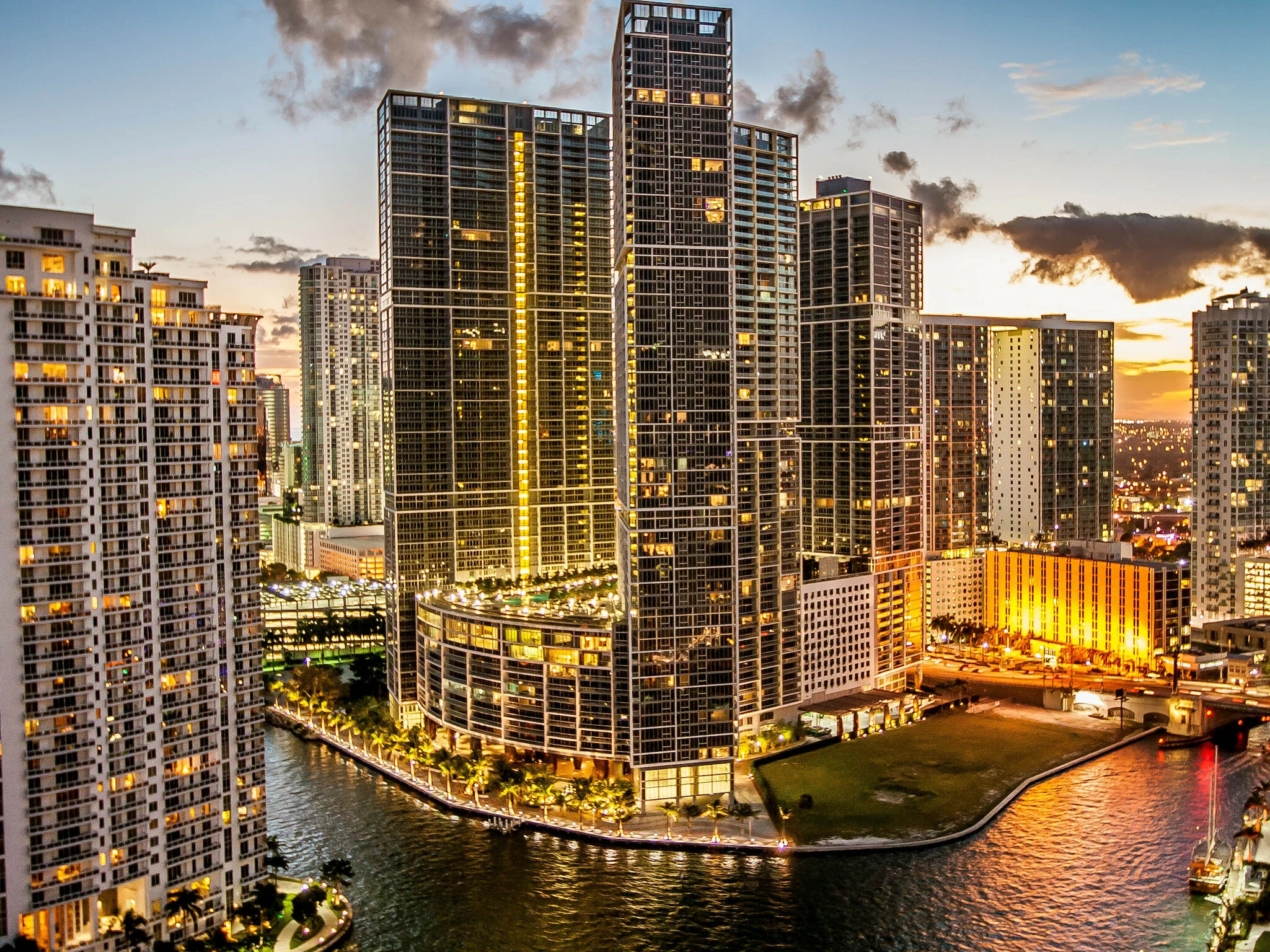
Brickell has emerged as a key district for corporate and association events within the larger Miami trade show economy. While the primary convention activity centers on the Miami Beach Convention Center with its expansive 500,000 square feet of exhibit space and 84 meeting rooms, many programs extend their footprint into Brickell for executive sessions, hospitality functions, and satellite activations. This district’s concentration of financial institutions and luxury accommodations creates natural synergies for high-level business events.
The official positioning of South Florida venues treats Miami-Dade and Broward counties as an integrated region for major shows, overflow programs, incentive events, and resort-based activations. This approach allows planners to distribute elements of a program across multiple locations while maintaining operational coherence. For Brickell-based components, this means aligning schedules, logistics, and resources with the capabilities of primary venues like the Miami Beach Convention Center’s 60,000 Square Foot Grand Ballroom and the Broward County Convention Center’s future campus plans exceeding 1.2 million square feet.
Understanding these interconnections helps event planners maximize the strategic advantages of locating portions of their program in Brickell. The district offers a distinctly corporate atmosphere that complements the leisure and convention focus of Miami Beach and the accessibility of airport-adjacent facilities.
Miami Beach Convention Center: 500,000 square feet of exhibit space
Accessing the Miami Airport Convention Center and Related Infrastructure
The Miami Airport Convention Center provides a significant resource for events with components in Brickell, offering 172,000 square feet of conference, trade show, and meeting space including 100,000 square feet dedicated to exhibitions. Its location facilitates efficient movement for attendees traveling between the airport, Brickell’s business core, and other regional venues. This capacity supports hybrid programs that combine large-scale exhibitions with targeted Brickell meetings.
Planners benefit from understanding how the 29,000 Square Foot ballroom and 45 breakout rooms at the Miami Airport Convention Center can serve as complementary spaces to Brickell hotel functions. The connected nature of the regional market allows for strategic distribution of event elements based on specific program needs, whether for trade shows, product demonstrations, or educational sessions.
Operational planning for these multi-site events emphasizes timing and transportation coordination to ensure smooth transitions between locations. The broader ecosystem supports these requirements through established supplier networks.
172,000 square feet of total conference space
100,000 square feet of exhibition space
29,000 Square Foot ballroom
45 breakout rooms
Leveraging the Greater Miami Supplier Ecosystem
The Greater Miami Convention and Visitors Bureau maintains a detailed supplier directory that serves as a critical resource for events in districts like Brickell. This ecosystem encompasses specialized categories including audio-visual and film services, caterers, destination management companies, transportation providers, employment services, and entertainment booking. Such breadth enables planners to assemble the precise vendor team needed for each project’s unique requirements.
Rather than relying on a single source for all services, the market operates through this network of high-quality suppliers capable of delivering sophisticated solutions for corporate events. This approach provides flexibility when coordinating exhibits, staging, technology integration, and attendee experiences in Brickell’s upscale environment.
Effective utilization of these resources requires thorough understanding of each supplier’s capabilities and how they align with specific venue protocols. The directory’s structure facilitates efficient sourcing while maintaining the quality standards expected for Miami events.
Audio-visual and film services
Catering services
Destination management companies
Transportation providers
Employment services
Entertainment booking
Venue-Driven Labor and Coordination Protocols
Labor considerations in the South Florida market are fundamentally venue-specific, show-specific, and governed by individual property manuals. This applies equally to convention centers, airport facilities, resort campuses, and urban district venues. For Brickell projects, this means consulting the relevant documentation for each component of the program to determine appropriate service arrangements and contractor access.
The mixed nature of the market supports a variety of configurations depending on the particular event’s organizer, the selected properties, and the live event requirements. The GMCVB and individual venue teams provide guidance on these matters, helping planners navigate the applicable rules for house services, outside vendors, and exhibitor-appointed contractors.
Successful coordination depends on early engagement with these resources and clear documentation of all agreements. This methodical approach prevents complications and ensures compliance with each venue’s established procedures throughout the Miami-Dade and Broward region.
Logistical Planning for Brickell’s Urban Environment
Brickell’s dense urban character introduces specific operational considerations for freight movement, loading, and exhibit installation. Effective planning addresses neighborhood routing patterns, timing constraints, and coordination with local authorities to facilitate smooth delivery and setup of display elements. These details become particularly important for larger exhibits that support corporate events in the district’s high-rise properties.
Exhibitor-appointed contractor coordination plays a central role in these operations. Clear communication channels and established timelines help align all parties involved in transportation, installation, and dismantle phases. The regional approach to South Florida events emphasizes these practical elements over generalized descriptions.
Understanding freight flow patterns between major facilities like the Miami Beach Convention Center and Brickell helps optimize schedules and reduce potential bottlenecks. This operational focus contributes to more efficient and cost-effective event execution across the connected market.
Neighborhood-specific routing considerations
Freight timing and delivery coordination
Exhibitor-appointed contractor alignment
Venue-specific loading protocols
Developing Effective Multi-Venue Strategies
Many successful programs in the Miami area incorporate Brickell as one element within a larger multi-venue strategy. The proximity to Downtown Miami facilities such as the James L. Knight Center, combined with access to beachfront and airport venues, allows for comprehensive event architectures that leverage the strengths of each location. The Miami Beach Convention Center’s versatile spaces and the Broward County Convention Center’s substantial capacity provide the foundation for these extended programs.
Planning such initiatives requires detailed attention to scheduling, attendee movement, and resource allocation across the region. The GMCVB’s convention sales and services team offers assistance with various aspects of this coordination, from contracting to logistics support. This resource helps integrate Brickell components effectively with the broader event framework.
By focusing on the actual operational connections between districts and venues, planners can create cohesive experiences that capitalize on Miami’s full range of meeting infrastructure. This integrated approach has become standard for larger conventions and corporate gatherings in South Florida.
Best Practices for Successful Brickell Event Outcomes
Thorough preparation forms the foundation of effective events in Brickell. This includes early review of all relevant venue manuals, supplier capabilities, and regional transportation options. Building in adequate time for coordination between multiple service providers helps ensure smooth integration of all event elements.
The emphasis on venue specificity extends to every aspect of planning, from technical requirements to service delivery models. Maintaining clear documentation and communication throughout the process supports positive outcomes regardless of the particular labor configuration required for each property.
Experienced coordination brings valuable perspective on how to align these various elements into a unified program. This expertise helps navigate the nuances of the South Florida market while keeping focus on the client’s specific objectives for their Brickell-based activities.
Early consultation of venue-specific documentation
Comprehensive supplier vetting and alignment
Integrated scheduling across regional venues
Proactive communication with all stakeholders
Frequently Asked Questions About Trade Show Planning in Brickell, Miami
Q: What makes Brickell a strategic choice for corporate events in Miami?
Brickell’s position as Miami’s financial district offers a professional atmosphere ideal for executive meetings and corporate activations. Its integration within the connected Miami-Dade and Broward market allows access to extensive exhibit space at facilities like the Miami Beach Convention Center and supplier resources while maintaining a distinct business focus.
Q: How does the Miami Beach Convention Center support events with Brickell components?
The Miami Beach Convention Center provides 1.4 million square feet of meeting and event space, including 500,000 square feet of exhibit space, a 60,000 Square Foot Grand Ballroom, and 84 meeting rooms. This capacity enables large-scale exhibitions that can be complemented by targeted programming in Brickell’s corporate environment.
Q: What supplier resources are available for Brickell events?
The Greater Miami Convention and Visitors Bureau supplier directory includes dedicated categories for AV and film services, caterers, destination management companies, transportation, employment services, and entertainment. This network supports comprehensive event production throughout the South Florida region including Brickell.
Q: Are labor arrangements standardized across all Brickell venues?
Labor and service models in the South Florida market are venue-specific and determined by individual property guidelines, show organizer requirements, and official exhibitor manuals. There is no single standard that applies universally, requiring Case by Case coordination for each Brickell project.
Q: What logistical factors should planners consider for Brickell projects?
Key considerations include neighborhood routing for freight, precise timing for deliveries and installations, coordination with exhibitor-appointed contractors, and alignment with the operational protocols of supporting venues like the Miami Airport Convention Center and Broward County Convention Center.
Q: How does Broward County fit into Brickell event planning?
Broward County, particularly through the Fort Lauderdale Convention Center with its 350,000 square feet of exhibit space and expansion plans above 1.2 million square feet, functions as an integral part of the South Florida event economy. This connection allows for regional spillover and expanded capacity for programs based in Brickell.